Predict future trends in indoor playgrounds
The future of indoor playgrounds, also referred to as indoor play areas or indoor recreational spaces, is shaped by evolving customer preferences, technology advancements, and global trends. Here's an analysis with frequent references to indoor playgrounds and related terms:
· Health Measures: Modern indoor playgrounds prioritize safety by adopting advanced cleaning protocols, touchless entry systems, and antimicrobial materials. These measures enhance the trust of parents, a critical audience for any play area.
· Design Upgrades: Future play zones will integrate safe, non-toxic, and eco-friendly materials while improving air quality with purification systems.
· Smart Play Equipment: Indoor play areas are embracing technology like Augmented Reality (AR) and Virtual Reality (VR). Examples include AR climbing walls or VR-enhanced trampoline zones that attract tech-savvy children.
· Interactive Features: Some indoor play zones are introducing data-driven equipment that monitors activity levels and health stats, offering parents peace of mind.
· For All Ages: Future indoor playgrounds will cater to multiple age groups with designs that are inclusive of children with special needs. Features like sensory-friendly rooms, wheelchair-accessible slides, and interactive equipment will become more prevalent.
· Family-Oriented Areas: Many indoor recreation spaces will offer areas for adults, including seating lounges, coffee shops, and even coworking stations, turning them into hubs for family activities.
· Eco-Conscious Materials: Modern indoor play centers are shifting toward sustainable designs, using energy-efficient lighting, recycled materials, and water-saving technologies.
· Green Indoor Spaces: The inclusion of plants and natural elements creates eco-friendly and visually appealing environments within indoor recreational areas.
· Tailored Designs: Future indoor playgrounds are trending toward personalization. Spaces designed around popular themes—such as space exploration, underwater adventures, or beloved characters—will attract niche audiences.
· Modular Flexibility: The equipment in these indoor play areas will often be modular, allowing for quick adaptations to seasonal events or evolving customer needs.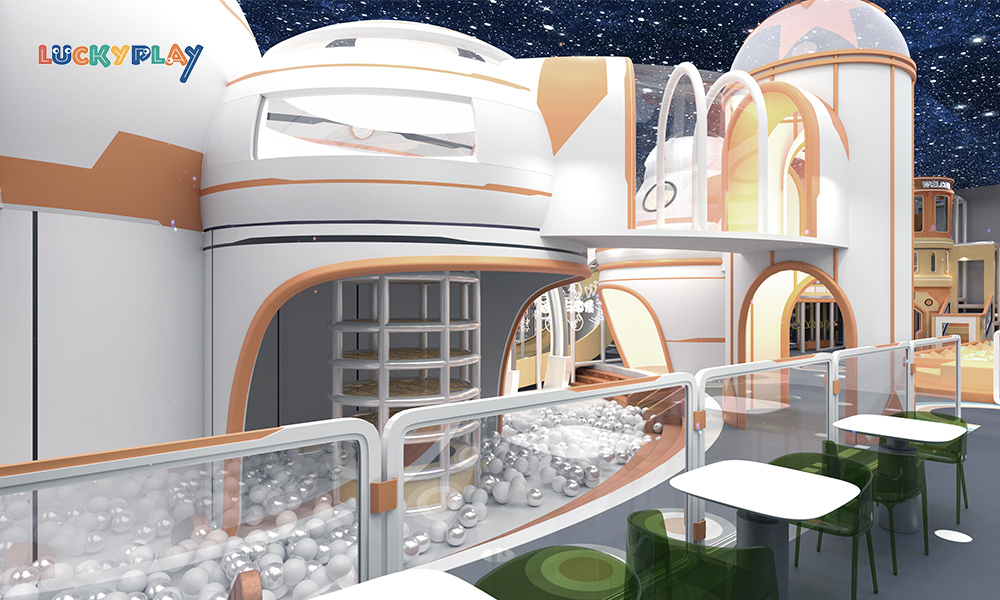
· Beyond Shopping Malls: While malls remain popular locations, indoor recreational spaces are expanding into diverse settings like airports, hospitals, and schools. These spaces not only entertain but also provide stress relief in high-traffic environments.
· Edutainment: Combining education with entertainment is a rising trend in indoor play centers. For instance, many play zones now integrate STEM learning activities and interactive games that develop critical thinking.
· Social Interaction: Collaborative play areas in indoor playgrounds encourage teamwork, social bonding, and leadership skills among children.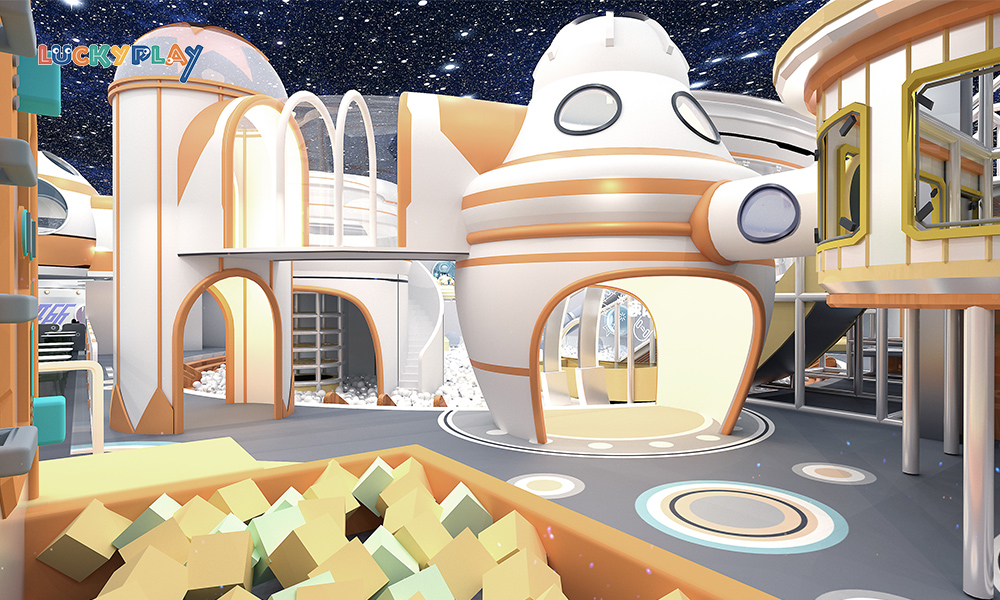
The future of indoor playgrounds and indoor play areas is bright, driven by safety, inclusivity, technological innovation, and sustainability. By addressing the diverse needs of families and leveraging these trends, indoor play zones will continue to thrive as essential venues for recreation and learning.


